
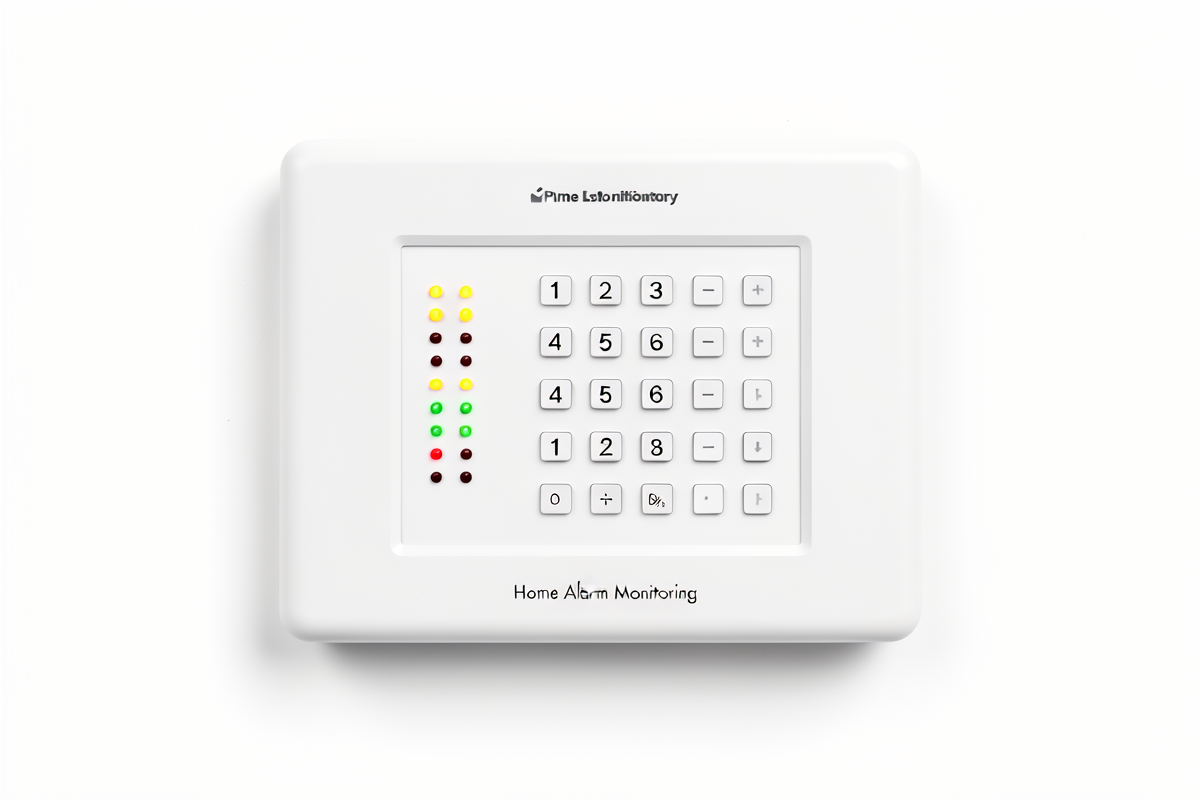
"Monitored alarm system" gets used loosely, but the actual process behind professional monitoring — and how it differs from a self-monitored DIY alarm — matters a lot when something actually happens.
How Professional Monitoring Works
When a sensor triggers (a door opens, motion is detected while the system is armed), the alarm panel sends a signal to a monitoring center, typically over cellular connection as a backup to internet in case Wi-Fi or power is compromised. A monitoring center representative attempts to contact the homeowner first, both to confirm a real emergency and to rule out a false alarm (a common early step, since false alarms are far more frequent than real intrusions). If contact fails or the homeowner confirms an emergency, the monitoring center dispatches local authorities.
Response Time Expectations
Monitoring centers typically aim to process an alert and attempt homeowner contact within 30-60 seconds of a sensor triggering, though actual police dispatch and arrival time depends entirely on local law enforcement response times, which the monitoring company doesn't control. It's worth understanding that professional monitoring guarantees a fast alert and dispatch request — not a guaranteed police arrival time.
Self-Monitoring vs. Professional Monitoring
Self-monitored systems send an alert directly to your phone, and you decide what to do — call police yourself, check camera footage, or dismiss a false alarm. This has no recurring monthly fee but depends entirely on you noticing and responding to the alert. Professional monitoring adds a recurring fee but provides verified alert processing and dispatch even if you're unavailable, asleep, or don't notice a notification.
False Alarm Management
A significant number of alarm triggers are false alarms (a pet, a loose window, user error arming/disarming). Professional monitoring centers use verification steps (calling the homeowner, checking a secondary sensor or camera if integrated) specifically to reduce false dispatch requests, since many municipalities fine homeowners or require registration for repeated false alarm dispatches.
Integration With Cameras
Systems where alarm monitoring is integrated with camera footage allow a monitoring center (or the homeowner during self-monitoring) to visually verify an alert rather than relying on sensor data alone — a meaningfully faster and more accurate way to distinguish a real intrusion from a false trigger.
Choosing Between the Two
Professional monitoring is generally worth the recurring cost for primary residences, vacation homes that sit vacant for extended periods, or anyone who travels frequently and can't reliably respond to a self-monitored alert. Self-monitoring is a reasonable choice for homeowners who are consistently available to respond and comfortable handling the decision of when to call authorities themselves.
The Bottom Line
The core value of professional monitoring isn't the alarm system itself — it's a verified, always-available response path when you can't respond personally. Understanding that distinction is what actually determines whether the monthly fee is worth paying for your situation.