
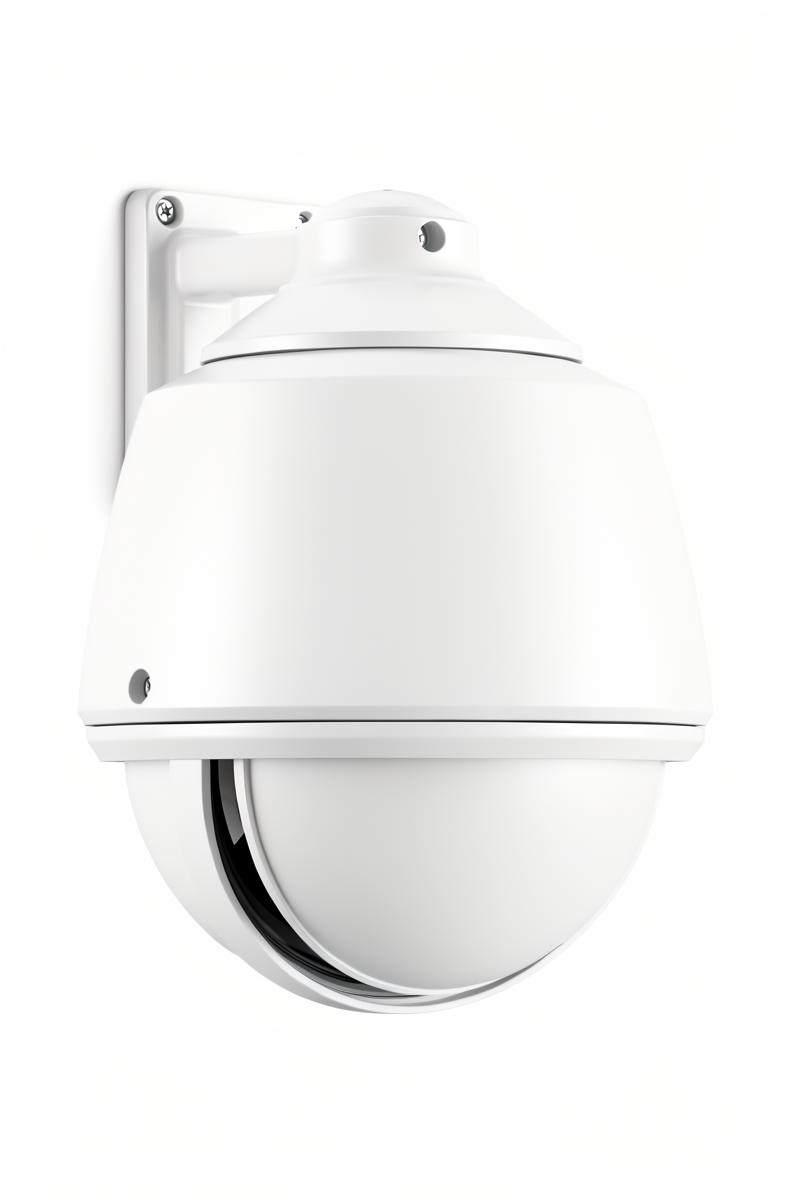
Nearly every camera on the market claims to be "HD" or better, which makes the real differentiators — resolution that actually matters, field of view, and storage — easy to overlook when comparing systems.
Resolution: More Than a Marketing Number
Higher resolution matters most for identification after an incident — being able to zoom in on a face or license plate rather than just confirming "someone was there." 1080p is a reasonable minimum for general coverage; 4K cameras provide meaningfully better detail for zooming into specific areas of a wide-coverage shot, which matters more for cameras covering larger areas like a driveway or front yard.
Field of View and Placement
A wide field of view covers more area but at the cost of detail on any single subject within that view. Effective coverage typically combines a few wide-angle cameras for general area awareness with narrower, more focused cameras at specific choke points (front door, side gate) where identification detail matters most. Camera placement height and angle also matter — too high and faces become hard to identify from an overhead angle; too low and the camera is vulnerable to tampering.
Wired vs. Wireless (Battery)
Wired cameras draw continuous power and typically offer continuous recording without battery life concerns, at the cost of a more involved installation. Battery-powered wireless cameras install easily but rely on motion-triggered recording (to conserve battery) rather than continuous recording, and require periodic battery changes or recharging — worth confirming battery life expectations under actual usage, not just the marketing claim.
Storage: Cloud vs. Local
Cloud storage (subscription-based) offers off-site backup that survives if a camera or local storage device is damaged or stolen, at the cost of an ongoing monthly fee. Local storage (a hub or NVR on-site) avoids subscription costs but is vulnerable if the storage device itself is stolen or damaged along with the cameras. Many systems support both simultaneously, which is generally the more resilient approach if budget allows.
Night Vision and Low-Light Performance
Most break-ins and package thefts happen after dark, making genuine low-light performance more important than daytime resolution specs. Look specifically at color night vision capability (versus older black-and-white infrared night vision) if identifying clothing color or other visual details at night matters to you — this is a real capability difference between camera tiers, not just a marketing distinction.
Planning Coverage, Not Just Buying Cameras
Effective camera systems come from planning coverage around actual approach paths and vulnerable points (front door, driveway, side gates, back entry) rather than simply buying a fixed number of cameras and placing them wherever seems convenient. A property-specific walkthrough with a professional installer typically identifies coverage gaps that aren't obvious without that kind of assessment.
The Bottom Line
Resolution, field of view, storage, and night vision all matter, but planned coverage of actual vulnerable points is what determines whether a camera system provides genuine security value or just a collection of video feeds with real gaps.